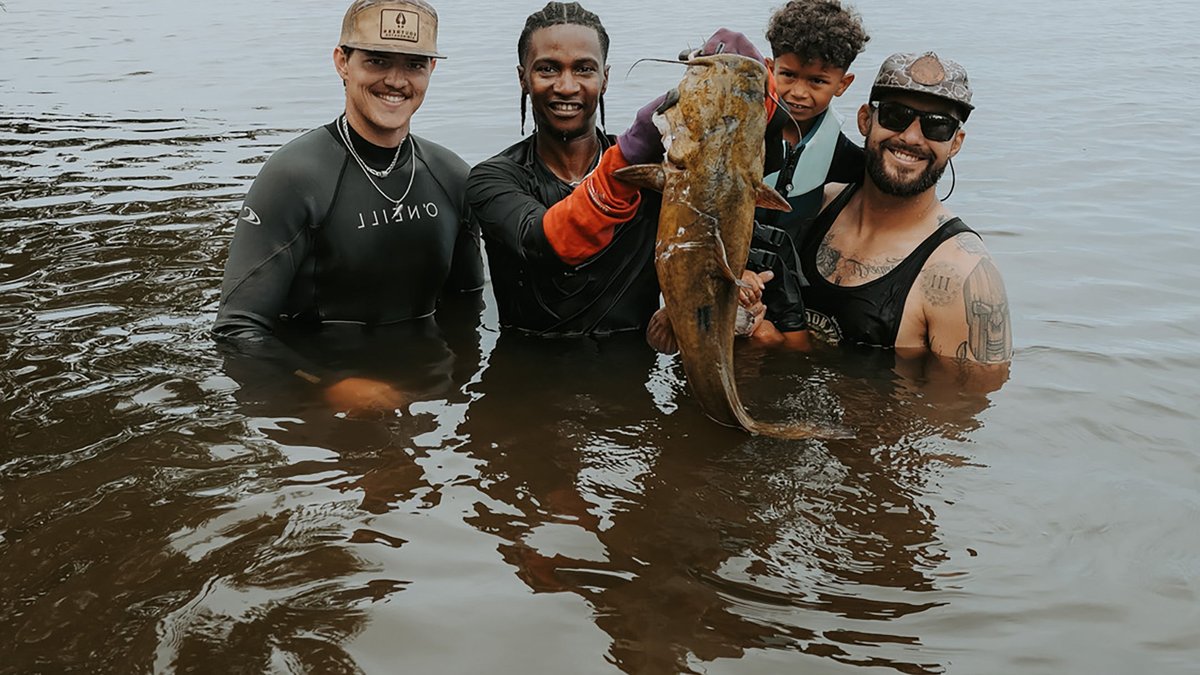
Instagram has become the primary driver for a surge in “noodling,” the practice of catching catfish by hand, as guides like Vinny Wozniak leverage social media to attract customers from around the world.
Wozniak, a 30-year-old guide based in Shreveport, Louisiana, first discovered noodling through an episode of “King of the Hill.” He didn’t realize until later that the method used in the cartoon was a real tradition, often called “logging” or “hogging.” Louisiana officially legalized the practice in 2022, and shortly after, Wozniak launched Geaux Noodling to teach others the craft.
His timing appears perfect. Wozniak charges $400 per person for his tours, and he notes that most of his clients have never held a fishing pole. He estimates he receives over 400 messages a month about noodling, a figure that has more than doubled on his Instagram page this year alone.
The digital boom is also fueling tourism. Folks travel from as far as Vietnam and Australia to take guided outings with Skipper Bivins, a celebrity from the Animal Planet show “Hillbilly Handfishin’.” Bivins operates Big Fish Adventures in Oklahoma and attributes the increased interest to the ubiquity of the videos on TikTok and Facebook.
Related: Best all-terrain tires for popular SUVs
Locals attribute some of this attention to social media influencers like Hannah Barron and Alyssa Hall, who document their encounters with massive catfish. While this visibility helps the sport grow, it raises questions about how the tradition is changing.
From Swamp to Screen
It is difficult to determine exactly who first attempted to catch a catfish with their bare hands, though similar practices were documented among Native Americans in the 1700s. The term “noodling” itself became part of the Southern dialect by the 1930s. In 1919, Missouri outlawed “logging” and “rock fishing,” terms referring to handfishing, which created a secretive subculture that persisted despite the ban.
Anthropologist Mary Grigsby, who studies rural subcultures, notes that the practice was once viewed negatively by authorities. She suggests that the modern social media iteration of noodling risks diffusing the tight-knit community aspect of the sport. “Where it’s legal, it’s going to be diffused,” Grigsby said. “It may be the same practice, you may catch a fish, but it’s not the same experience going with a tour guide.”
Despite the concerns about commercialization, the physical demands of the sport remain the same. Noodlers often work night shifts at regular jobs, such as tire manufacturing, before spending their days in the swamp. This grueling schedule is a stark contrast to the often cinematic way the sport is presented on video platforms.
Related: Make a Modern CV: The Best Tips
The Reality of the Hunt
Guides like Wozniak and Remmy Bearden use various techniques to lure catfish, including constructing artificial nests with tractor tires and old bathtubs. They also rely on “natural holes” like hollow tree trunks. Seasoned noodlers can identify an occupied hole by its texture; a smooth surface indicates a male has cleared debris to prepare for eggs.
The adrenaline of the hunt is undeniable, even if the outcome is uncertain. During a recent outing on Caddo Lake, Ronald Makaramba, a visitor from Tanzania, finally managed to wrestle a flathead catfish to the surface. He celebrated with a shout directed at the camera, while his young son watched with a mix of delight and amazement.
For the novice, the sensory experience is intense. The water can be murky and the fish powerful, requiring a specific technique where the palm faces down and fingers are clenched. The unofficial motto of the sport is simple: “You ain’t fishing until you’re bleeding.”
