A decade ago, hiking boots were fading in popularity, overshadowed by lighter trail runners and low-cut shoes. But for hikers with weak ankles—or those prone to stumbles—they’ve made a comeback. Mid-cut boots now offer more than just protection from rolls and twists; they reduce injury risk by supporting the foot and ankle, easing fatigue on long backpacking trips. The shift reflects a simple truth: when terrain gets rough or packs get heavy, a sturdy boot can be the difference between a comfortable hike and a painful one.
This year’s top picks for weak ankles span styles and purposes, from rugged alpine boots to lightweight mid-cuts that feel like sneakers. Seven models, four for men, three for women, were tested over hundreds of trail miles by reviewers with decades of experience in extreme conditions. Their recommendations balance support, durability, and real-world performance, whether the goal is a day hike or a multi-week backpacking trip.
Why Ankle Support Still Matters in 2026
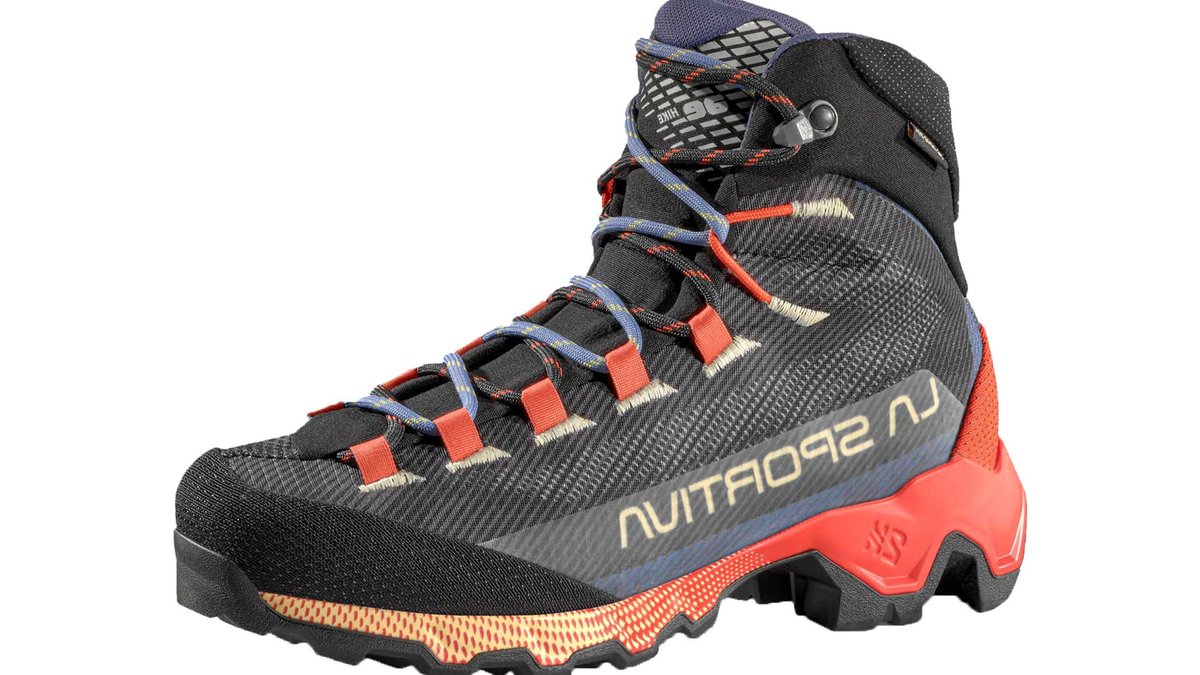
Modern versions use lighter, more flexible synthetics alongside traditional leather, cutting weight without sacrificing stiffness. For example, the La Sportiva Aequilibrium Hike GTX, designed for alpine use, weighs 16.9 oz for men’s sizes and features a polypropylene stiffener in the midsole to prevent twisting. Testers logged over 100 rough miles in it without visible wear, proving its durability even on rocky trails.
The Arc’teryx Konseal Trek takes a different approach: a bonded Gore-Tex membrane keeps it waterproof while maintaining a slim profile, and a carbon fiber shank in the midsole delivers stability without bulk. Reviewers described it as sleek on the outside, packed with protective features inside. Its Kevlar-reinforced cuff holds up on talus slopes, where loose rock could otherwise roll an ankle.
Not all boots need to be heavy to be supportive. The Arc’teryx Kopec Mid GTX, weighing just 12 oz for men’s sizes, earned praise for its versatility. It handled high-tempo day hikes as easily as week-long backpacking trips, thanks to a supportive midsole that reduced foot and ankle fatigue. The trade-off is less protection for extreme terrain, but for most hikers, the lighter weight makes up for it.
How to Choose the Right Boot for Your Ankle Needs
The upper section of a boot determines how much support it provides without restricting movement. A stiffer upper helps stabilize the ankle on steep or loose terrain, reducing the risk of injury when stepping on uneven ground. However, too much stiffness can interfere with a natural walking stride, making softer materials better suited for smoother trails or long-distance hikes. The padding on the cuff should contour to the ankle rather than press into it, ensuring comfort during extended wear.
The Testing Process: 700 Miles and Counting
Selecting the best boots for weak ankles required more than lab tests. Fifteen testers, including a dogsledder, a wildland firefighter, and a mountain guide, put each model through real-world conditions. They hiked 30-mile backpacking trips, scrambled up peaks, and tested boots on slickrock and salt marshes to simulate varied terrain. Some wore the same pair for weeks; others rotated between multiple models to compare fit and durability.
Pack weight played a critical role. Testers hiked with both light loads and heavy packs to see how boots performed under stress. The Danner N45 Mid GTX, for instance, stood out for heavy-load trips, thanks to its nitrogen-infused foam midsole and TPU rock plate. Its black-on-black design was a bonus, but the real selling point was comfort under prolonged strain, something critical for supply-intensive wilderness trips.
The The North Face Offtrail Hike LT Mid GTX offered a middle ground: old-school substance without the long break-in period. Reviewers called it a firm hug for the foot, with an EVA midsole and padded upper that cushioned long days on rough trails. Its 17.6 oz weight for men’s sizes made it a top choice for backpackers who need support but don’t want to carry excess weight.
For extreme terrain, the Meindl Air Revolution Alpine 4.1 was the standout. Its stiff sole and aggressive tread made it ideal for high-altitude hiking, but testers were surprised by its out-of-box comfort and breathability. The downside was its 24 oz weight and mountaineering-adjacent design, which limit its appeal to casual hikers, but for those tackling rugged slopes, it delivered unmatched stability.
