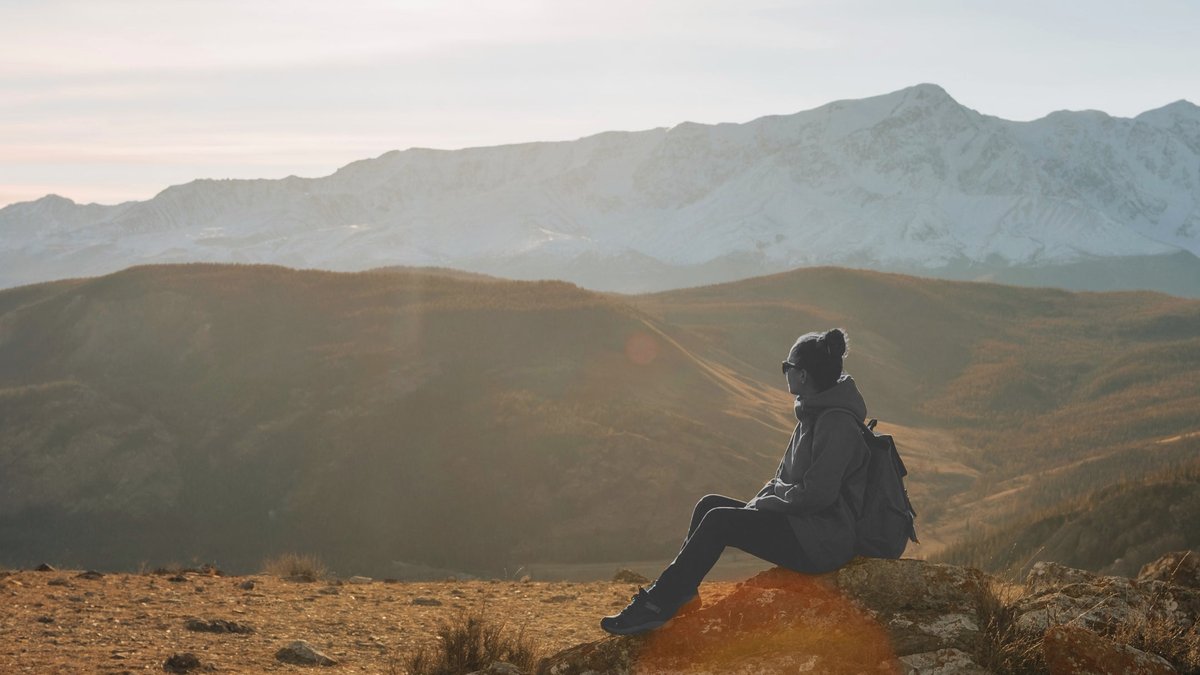
A few months ago, a writer was hiking with a friend when they tripped and pulled their hamstring. Despite the injury, they assured their friend they could continue at their same brisk pace, but eventually, they had to stop. Their friend sat down beside them on the trail and said, “I think I spend too much time doing in nature, and not enough time being in nature.”
This comment made the writer realize how much they had let their obsession with productivity bleed into their recreational life. They are a person who lives in fear of idleness, with every spare moment scheduled, tracked, and accounted for. Their partner once glanced at their phone and asked if they were playing a game, but it was just their tightly packed Google calendar.
The Pressure of Constant Productivity
The writer’s constant busyness comes from a deep-seated need for control. By filling their schedule with social plans and activities, they feel like they are controlling their life. However, this approach can also be seen as a desperate need to be productive at all costs, which can lead to guilt after a day without measurable output.
Read Also: Haunted attraction designer shares industry secrets
This need for productivity can manifest in different ways, such as working long hours, assigning checklists and training goals to hobbies, or trying to monetize them. The writer initially bristled at the idea of “doing in nature” as a binary to “being in nature,” but eventually realized that they had turned the outdoors into an arena for excellence rather than an escape.
Research indicates that the active pursuit of self-improvement, often celebrated in Western societies, can actually make people less happy. A 2018 study found that people who pursue happiness tend to do so because they believe time is running out, and that happiness is a destination that must be reached before it’s too late. The act of chasing happiness can put people in a scarcity mindset, even if they aren’t already.
Rethinking the Concept of Productivity
The writer is attempting to change their approach to outdoor activities. They are trying to remember that spending time outside is a privilege that doesn’t need to be goal-oriented to be worth doing. They are also leaving their fitness watch at home, reframing “unproductive days” as wins, and unfollowing people who constantly post about their accomplishments on social media.
Read Also: Climber Survives Massive Everest Avalanche
The writer’s friend, Madeleine Dore, has written about the concept of human creativity being like a sponge, which can be either in an absorb phase or a squeeze phase. During a squeeze, one can produce and produce, but after a while, they become wrung out. The only way to refill is to let oneself lie fallow, which means sitting in the dirt, reading a book, sleeping, or watching the clouds go by.
The secret to a fulfilling and creative life isn’t in the squeeze, but in the absorb. By allowing themselves to lie fallow, people can start to feel their brain refill and appreciate the pure joy of moving their body outdoors for its own sake. The writer is trying to adopt this approach and learn to revel in who they are right now, rather than the fictional person they’re still trying to become.
The writer’s journey is not just about escaping the pressure of constant productivity, but about finding a more meaningful and sustainable way to live. They are trying to create space for rest, relaxation, and recreation, and to prioritize their well-being over their productivity. As they sit outside and watch the sun set, they are reminded that sometimes, the best thing to do is simply to be still.
Read Also: Brisk walks or yoga can protect bones with just 20
One of the writer’s strategies for changing their approach is to set qualitative goals, such as going on a road trip, rather than quantitative ones, like sending a 5.12 climb. They are also trying to reframe outdoor time as a social endeavor rather than an athletic one, and to make time twice per month to sit outside and watch the sun set.
Rediscovering the Joy of Outdoor Activities
This approach allows them to focus on the experience and the journey, rather than just the destination. Reframing outdoor time as a social endeavor rather than an athletic one is also helping the writer to see the value in spending time with others in nature.
