A person with over a decade of experience working in haunted attractions has shared their insights on what makes these experiences scary and how they operate. They have worked in various settings, including greenhouses, shipping containers, corn mazes, forests, and fields, each with its unique challenges and opportunities.
The goal of these haunted attractions is to transport guests into a different world, if only for a short time. To achieve this, the best haunts have a cohesive storyline, complete with character names, easter eggs, and a narrative that pulls guests into the experience. The storylines are often written by a lead storyteller, with input from a small group of collaborators.
Designing the Scariest Haunts
When designing a haunted attraction, the creator thinks about what is classically scary and uses that theme to inspire a cohesive story. The story is not always immediately apparent to guests, but it helps to create a more immersive experience. The use of suggestive scripting, rather than set dialogue, allows actors to interact with guests in a way that is both scary and safe.
Read Also: Climber Survives Massive Everest Avalanche
Being outdoors adds a level of complexity to the operations, as they must account for weather, power supply, and the potential for guests to get lost or disoriented. However, it also provides opportunities for unique scares, such as using the natural environment to create an eerie atmosphere.
Behind the Scenes
The average performer spends around 15 minutes getting into costume and makeup, which is often designed to be simple yet effective in low-light conditions. Actors may also wear multiple layers to stay warm, as well as rain gear and boots to protect themselves from the elements.
Actor-visitor interaction is carefully managed, with rules in place to ensure guests are not touched or harmed. In Ontario, Canada, where the author works, actors can’t touch the guests. The author tells their teams to make sure they stay “punching distance away” from the customers—when people are scared, they might react chaotically, and they don’t want anyone to get hurt. For guests, visitors are asked not to touch the actors. Cell phone use varies, and it’s the same with flashlight use. Wherever you go, follow the instructions given to you before you enter the experience.
Read Also: Brisk walks or yoga can protect bones with just 20
Managing the Haunt
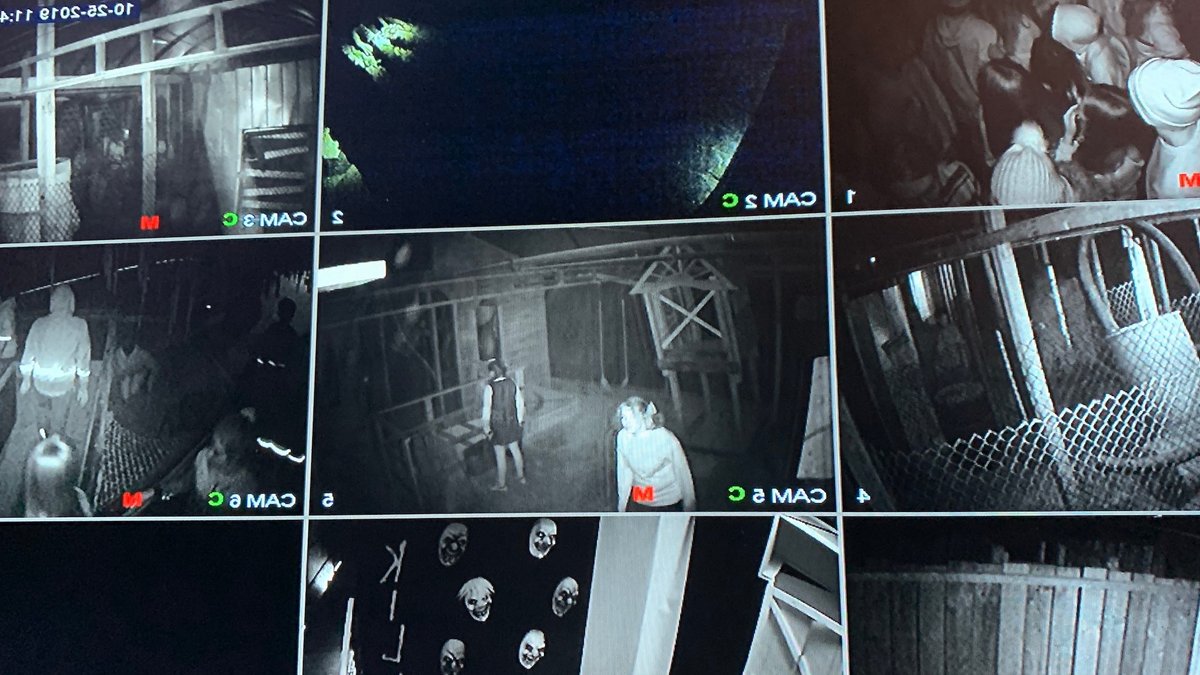
The person in charge of the haunt often manages from a hidden location, such as a master control room or a hidden staff area. They use night vision security cameras and override triggers to control the lights and sound systems, creating a seamless and scary experience for guests.
Do they remove the chains from chainsaws? Always! At least in Ontario, this is a must. The same logic applies to anything you might see like machetes, axes, or pipes: while they might be real, they would typically have dulled blades or be used by well-trained actors who make sure guests could never come into real harm.
