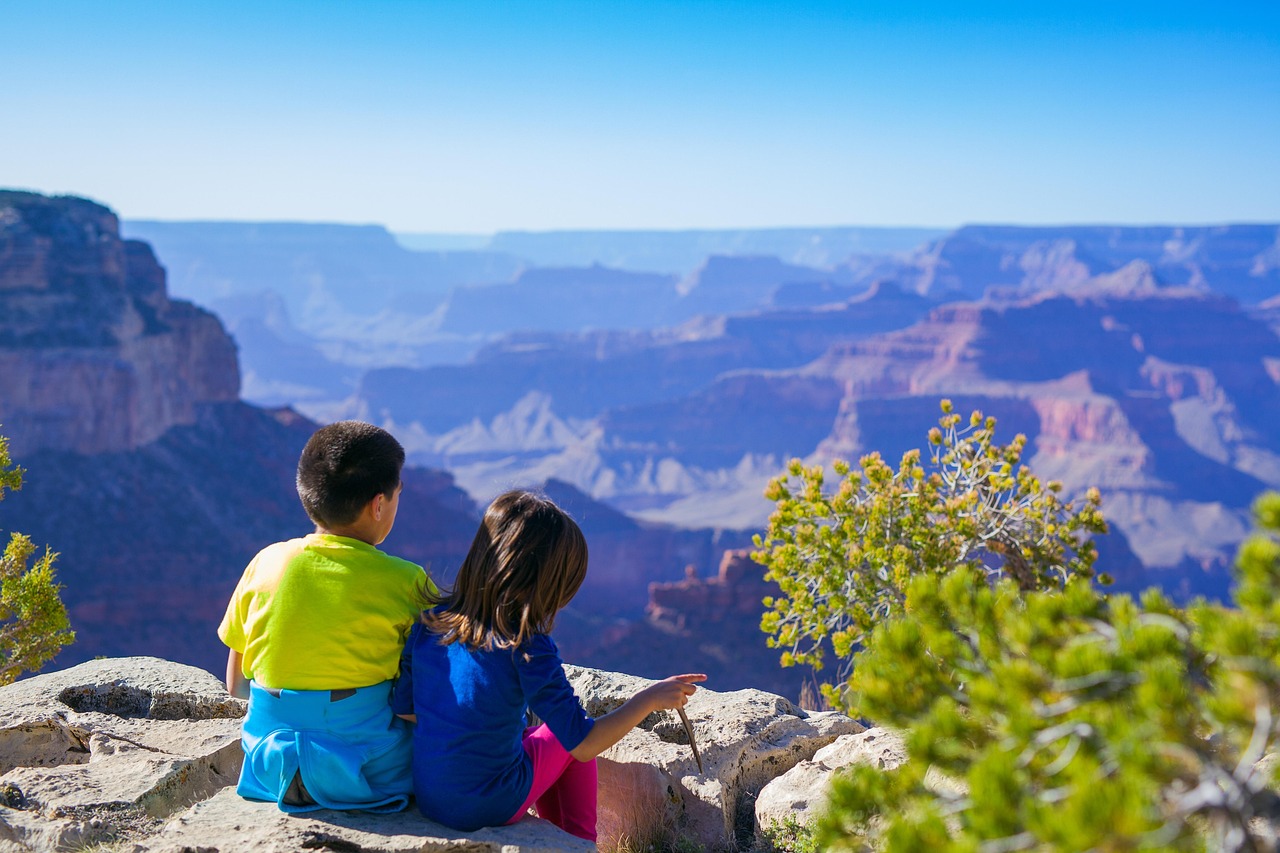
On the boat ramp at Lees Ferry, the start of every Grand Canyon trip, the shuttle van thermometer reads 100 degrees.
The mercury will stay there most of our trip except when the monsoons break over us, blowing out the side creeks with runoff, and pushing us back upstream with unrelenting headwinds.
By contrast, the river comes out of the bottom of the Glen Canyon Dam 15 miles upstream at a frigid 46 degrees.
It’s clear, green, and devoid of most sediment, nutrients, and bugs.
Georgie White: A Complicated Hero
Georgie White was the first female Grand Canyon guide.
She was one of the first and only people running the river for years, and she was the only woman guiding for decades.
I’ve heard that Georgie used to stand chest-deep in the freezing water and slowly drink a beer without shivering.
Georgie’s story is complicated, and it took me a while to find her.
I’m down here to see if I can understand her better.
Related: Trump Shrinks Two National Monuments
Retracing Georgie’s Footsteps
The entry into the canyon feels shockingly fast.
For the first 4.5 miles you float past places you’ve seen before, tracing the road in, but once you pass under the parallel Navajo Bridge— the ninth-highest span in the country—you’re in new territory, and there’s no other road crossing until you hit the Hoover Dam, almost 350 miles downstream.
As we float under the bridges, Jeff, one of the guides, points up.
In the 1980s, the giant vultures were endangered; there were only 22 remaining in the world.
They were reintroduced here in the canyon, and now their population is up to 500, but they still feel special and rare.
We move through the first 5 layers of rock in 16 miles, dropping through centuries as we do.
That afternoon we hit the first significant rapid, Badger Creek, at mile 8.
It’s rated a 5 on the Grand Canyon rapids scale of 1 to 10, and from above it seems straightforward, just a series of wave trains down the gut.
As I reflect on Georgie’s journey, it’s clear that she was a true pioneer.
Her determination and perseverance in the face of adversity are an inspiration to many.
Related: Benefits Of Trading Using The Primexbt Platform
It’s likely that her legacy will continue to inspire future generations of guides and adventurers, and her story will remain an important part of the Grand Canyon’s history.
Georgie held on to the upside-down boat but was swept through the Sockdolager Rapid two miles downstream.
Below that rapid she pushed the raft into an eddy, exhausted.
She said she was starting to lose her grip, about to give up, when she heard someone yelling upstream and saw help arriving.
Together they got the boat into a bigger eddy and pulled out the food bag.
They spent another cold, wet night on the shore and then were able to flip it over and keep moving downstream.
They stayed a night at Phantom Ranch, the lodge at the bottom of the Grand Canyon, 88 miles down, to dry out and rebuild their confidence and then set off downstream again.
As I near the end of my journey, I’m reminded of the weight of water.
I haul gear and unload boats and perpetually put things in the wrong place.
I try to give in to the repetitive task of rebuilding our home on a different slanted beach every night.
Related: What Exactly Laser Marking Is ?
I try to be entertaining and helpful and also never in the way.
When the real guides let me row, I get worked by the eddies.
I get worked by the weight of the oars in my hands.
Brand-new muscles deep inside my elbows ache, and my arms feel like half-cooked spaghetti, wiggly and dull against the sheer force of the water.
Georgie said that by the time she stopped rafting, people weren’t as tough as they had been, and I believe it.
I’m easily dehydrated, constantly smearing myself with sun block or body lotion, or draping myself in wet sarongs, perpetually chugging electrolytes and rubbing my sore shoulders.
I remember that water, paradoxically, makes you drier.
My fingers and heels crack and split.
I can feel a desiccated itch creeping across my back every time I get out of the river, dunking myself to relieve the heat.
