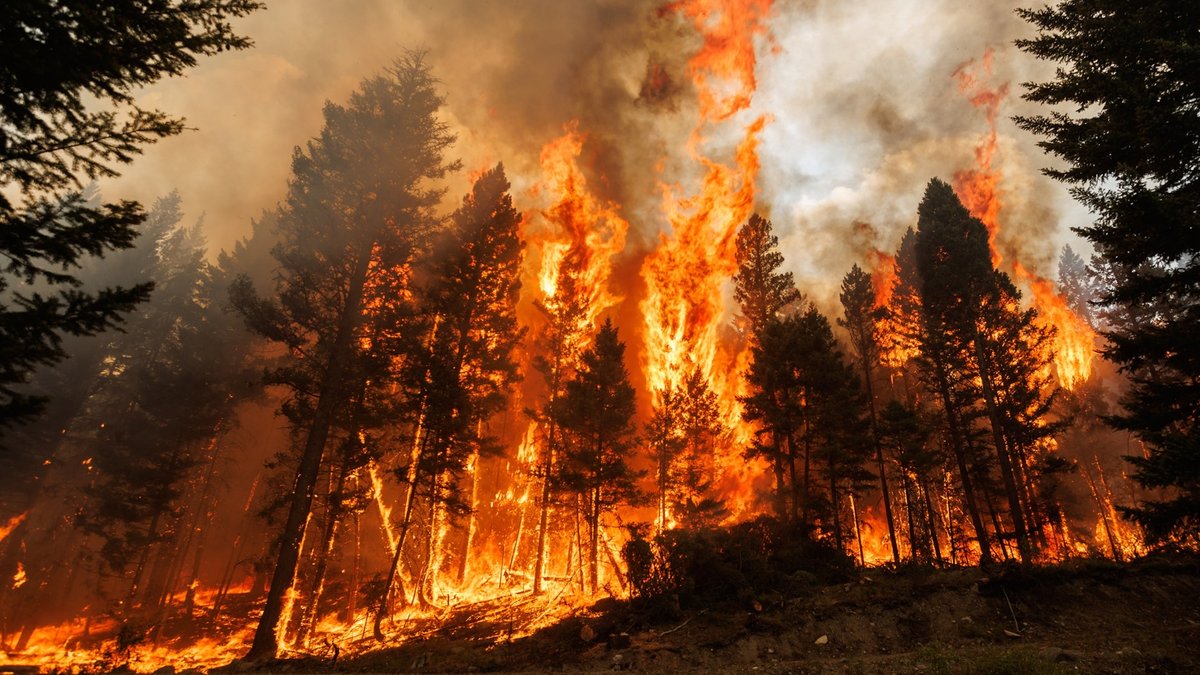
As wildfires prompt evacuations across the Pacific Northwest and smoke drifts over much of North America, some Americans are placing online wagers on fire growth, containment dates, and resulting damage.
Nine U.S. senators, including Alex Padilla and Amy Klobuchar, urged regulators to halt the practice. In a letter sent August 3 to the Commodity Futures Trading Commission, they argued that gambling on active wildfires could encourage arson or disrupt firefighting operations.
Betting on disaster
Platforms like Kalshi and Polymarket allow users to stake real money on future events—elections, sports, and now natural disasters. Polymarket users can place yes-or-no bets on whether a fire will reach a certain size or be controlled by a set date. Kalshi, which operates legally in the U.S., excludes wildfires but permits wagers on hurricanes and earthquakes.
Neither site currently hosts active wildfire markets as of August 6. The practice gained notice in January 2025 during the Palisades and Eaton fires in Los Angeles, which claimed 31 lives and leveled over 16,000 homes. Bettors placed more than $1.2 million on outcomes like destruction levels and potential arson arrests.
A third platform, Wyldfyre.io, previously allowed wildfire betting under the slogan, “You can’t predict fire, but you can trade on it.” It closed in early August 2026.
Arson and insider trading risks
This summer, Washington has seen over 630,000 acres burned. Oregon faces one of its worst fire seasons, with more than two million acres scorched. California, which has avoided major fires in 2026, has sent crews and equipment to assist both states.
Related: Park Service discarded 13 historic signs
Lawmakers say these markets could motivate arson or tempt individuals to interfere with firefighting. They also highlight insider trading risks—firefighters or officials with privileged information might exploit it for profit.
“The potential for abuse is clear and could have serious consequences,” said Patrick Wright, director of California’s Governor’s Wildfire and Forest Resilience Task Force.
Wildfire smoke already costs the outdoor recreation industry an estimated $21 billion each year. Betting markets introduce another dimension, treating disasters as investment opportunities.
Oregon Senator Jeff Merkley, who co-signed the letter, called the practice “repulsive.” “It’s wrong to allow any chance that firefighting decisions could be swayed by gamblers,” he stated. “This falls under the same no-man’s land for betting occupied by wars and assassinations.”
Regulatory gaps
Prediction markets operate under federal oversight, preventing states from regulating them like traditional gambling. The senators asked the CFTC to explicitly prohibit natural disaster betting before the practice expands.
A Cal Fire firefighter works amid the charred remains of homes in Spokane, Washington, on August 6.
