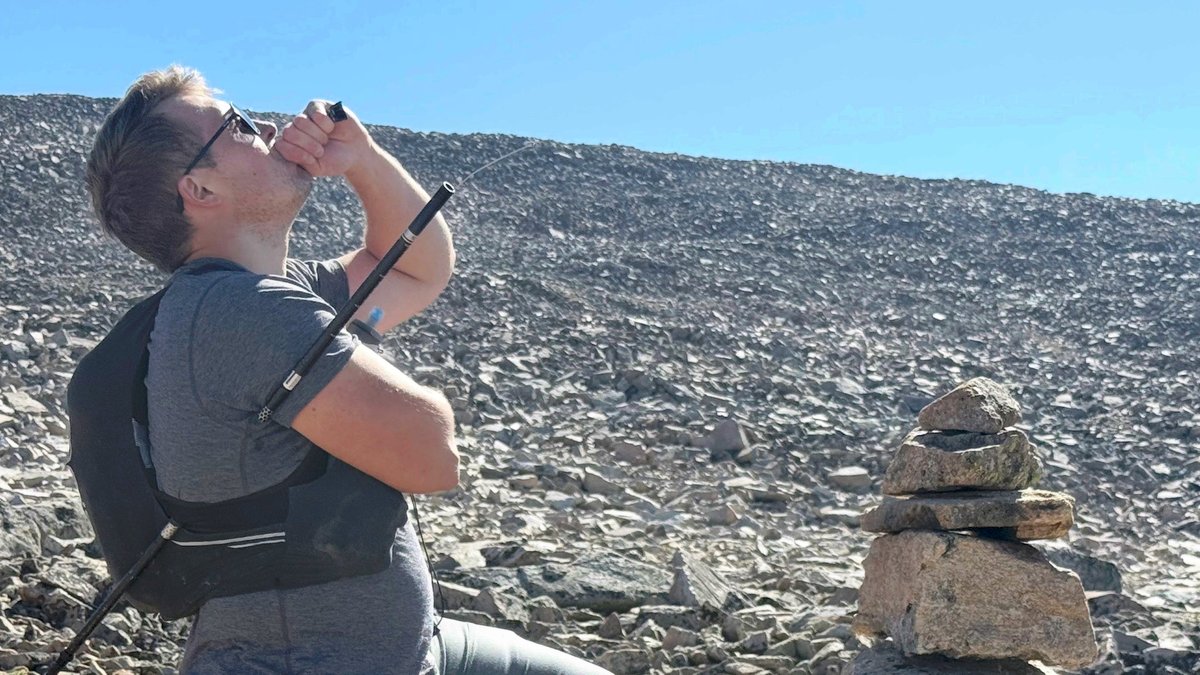
David Cifaldi understood the dangers of climbing Granite Peak. Montana’s highest point rises 12,807 feet and ranks among the most technical state summits in the country. On a clear July morning, a single misstep turned a routine hike into a ten-mile descent with a trekking pole impaled through his torso.
The accident occurred less than three miles from the summit. Cifaldi, a wound-care nurse, was moving across a snow-covered boulder field when he fell. One of his 44-inch steel-tipped trekking poles drove into his side. The other lay beside him on the ground.
His friends Jesse Ross and Brad Reich first thought it was a joke. The pole seemed tucked under his armpit, not visibly protruding. Then they saw his expression.
Cifaldi recalled thinking, “This is where I die. I always figured if it happened, it should be up here.”
Related: Nims Purja Missing After Avalanche in Pakistan
The Long Walk Down
He felt no pain at first. The summit still loomed above, a reminder of what they wouldn’t reach. The real challenge lay ahead: ten miles of rocky, uneven trail with the pole dangerously close to his organs.
Ross, who had guided the route before, took the lead. He stomped down snow to create makeshift steps, testing each foothold before Cifaldi followed. Reich stayed behind, watching for any sign of blood or movement that could worsen the injury. For hours, the three moved in slow, deliberate steps, knowing one wrong move could be fatal.
By the third mile, tension eased slightly. The group started joking—dark humor about Cifaldi’s new “shish kebab” status. The descent became a test of mental endurance. Every loose rock and stubborn pine branch posed a threat. If the pole caught on something and tore free, the damage could be severe.
Cifaldi’s mind raced. He knew there was no second chance if he fell again and the pole went deeper or punctured a lung. The physical strain matched the psychological weight of carrying his own potential undoing.
Related: Best Camping Mattresses for Every Budget
Around the fifth mile, exhaustion set in. They stopped to eat, staring down at the 36 switchbacks leading to Mystic Lake. The trail stretched below like a taunt. Cutting straight down the slope would have saved time, but the risk of another fall was too high. They stuck to the path, even as every step felt uncertain.
The lake, a popular day-hike destination, brought a new concern: other people. Cifaldi didn’t want to cause a scene. Ross ran ahead to warn an approaching group of teenagers, while Reich kept watch from behind, still scanning for blood.
The ride to the hospital was another trial. Ross drove cautiously over the rough dirt road, avoiding potholes. Cifaldi, jostled by every bump, snapped. “Dude, hit the gas. Get me out of here!”
A Second Chance
At St. Vincent Regional Hospital, surgeons removed the pole. Cifaldi returned to his wound-care unit just seven days later. Physical recovery came quickly. The mental recovery took longer.
Related: Catfish Noodling: The Hardest Part Is The Photo
He apologized repeatedly to Ross and Reich for ruining their summit bid. Both dismissed his concerns.
Cifaldi shares that view. The same poles that nearly killed him had saved Ross years earlier, when he jammed one into a snowfield to stop a slide. “They’re essential for stability,” Cifaldi said. “That’s enough reason to carry them.”
The accident didn’t change their view of the mountain or the gear. Granite Peak’s reputation as a technical climb is well-earned, but the risks are part of the appeal.
