A rain jacket that traps heat defeats its purpose for hikers prone to overheating. Even the most waterproof shells can turn into sweaty, damp prisons when exertion raises body temperature. The best options for these hikers prioritize breathability over waterproofing, using features like pit zips, mesh panels, and lightweight fabrics to release excess heat while still blocking moisture.
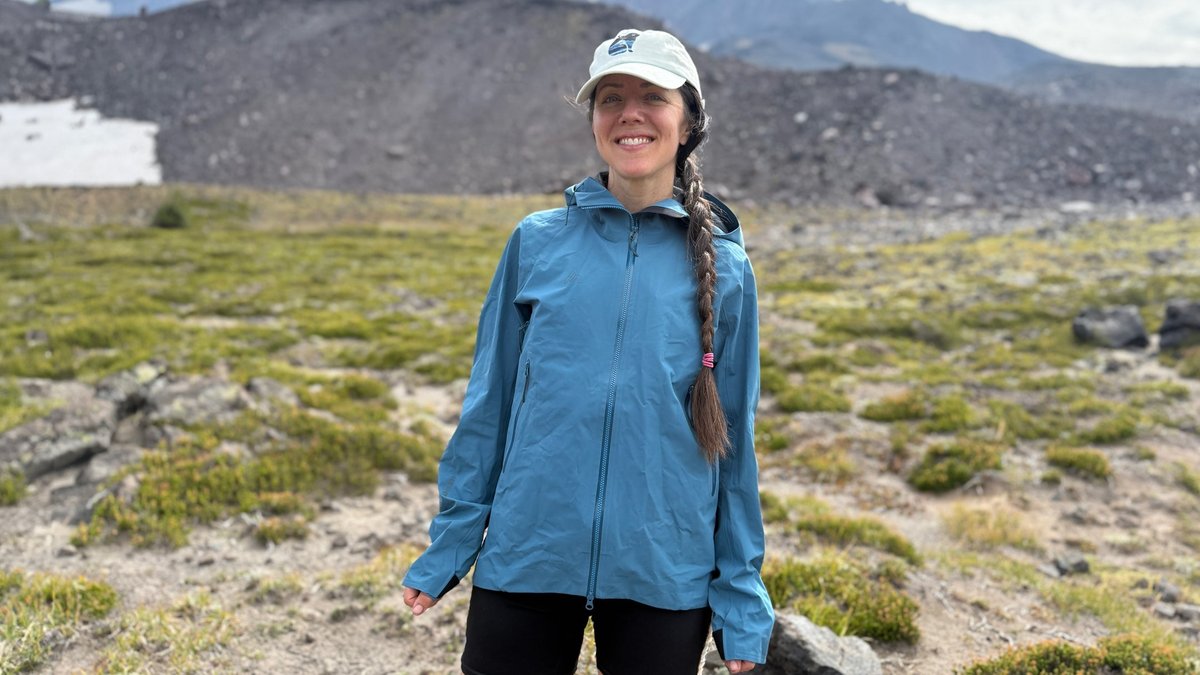
The issue begins with basic physics. A hiker climbing a steep trail with a heavy pack generates heat—sometimes more than a rain shell can dissipate. Outdoor Research’s Aspire 3L (women’s) and Foray 3L (men’s) address this by combining a 40-denier, 100% recycled three-layer nylon with full-length side zippers. Tester Kate Paskievitch wore hers during a 7-mile hike in Alaska’s Chugach National Forest while carrying 40 pounds and remained dry despite the physical strain. The jacket’s AscentShell Dry fabric resists wetting out, but the zippers allow hot air to escape without compromising protection.
Not all solutions require premium materials. The Marmot SuperAlloy Bio, weighing just 5.8 ounces in a men’s medium, is among the lightest available. Its 2.5-layer NanoPro fabric kept a tester dry even under a heavy pack in 50-degree temperatures, while its hoodless design reduces bulk. However, it performs best in sudden downpours rather than prolonged storms, making it ideal for fastpackers who value speed over all-day coverage.
For those who overheat in cooler conditions, the Páramo Velez Adventure Smock offers a different approach. Unlike traditional three-layer shells, it uses DWR-treated polyester with wicking fabric, eliminating the need for a waterproof-breathable membrane. This design improves breathability during shoulder seasons when temperatures vary. Biceps zippers and a horizontal front flap allow quick heat release, making it a top choice for hikers who overheat in transitional weather.
The 7mesh Guardian Apex pushes versatility further, priced at $600 but featuring diagonal pit zips that prevent sweating even with arms down. Its nylon face fabric balances breathability and durability, surviving a bushwhack through brambles without snagging. The weight, 10.9 ounces for men’s, is heavier than the Marmot but significantly lighter than traditional shells, offering a compromise for those needing both performance and ruggedness.
At the opposite extreme, the Montane Featherlite Nano weighs just 1.8 ounces and packs into pocket size. It excels in surprise desert downpours where breathability matters more than full waterproofing. A tester confirmed its effectiveness after a full day of biking along the Grand Canyon’s South Rim, where heavier shells would have left them soaked.
The core challenge for overheating hikers lies in the trade-offs. Most rain jackets prioritize either waterproofing or breathability, but rarely both. Venting options like pit zips or mesh panels are critical, as are fabric choices. The best models strike a balance without sacrificing essential functionality.
Field testing confirmed the importance of practicality. Drew Zieff and Elizabeth Kwak, lead testers for men’s and women’s gear, evaluated jackets under real conditions: steep trails, heavy loads, and unpredictable weather. Their assessments showed that packability is as important as performance. A jacket that stows compactly is more useful than one that remains bulky in a pack, especially when heat management is the priority.
