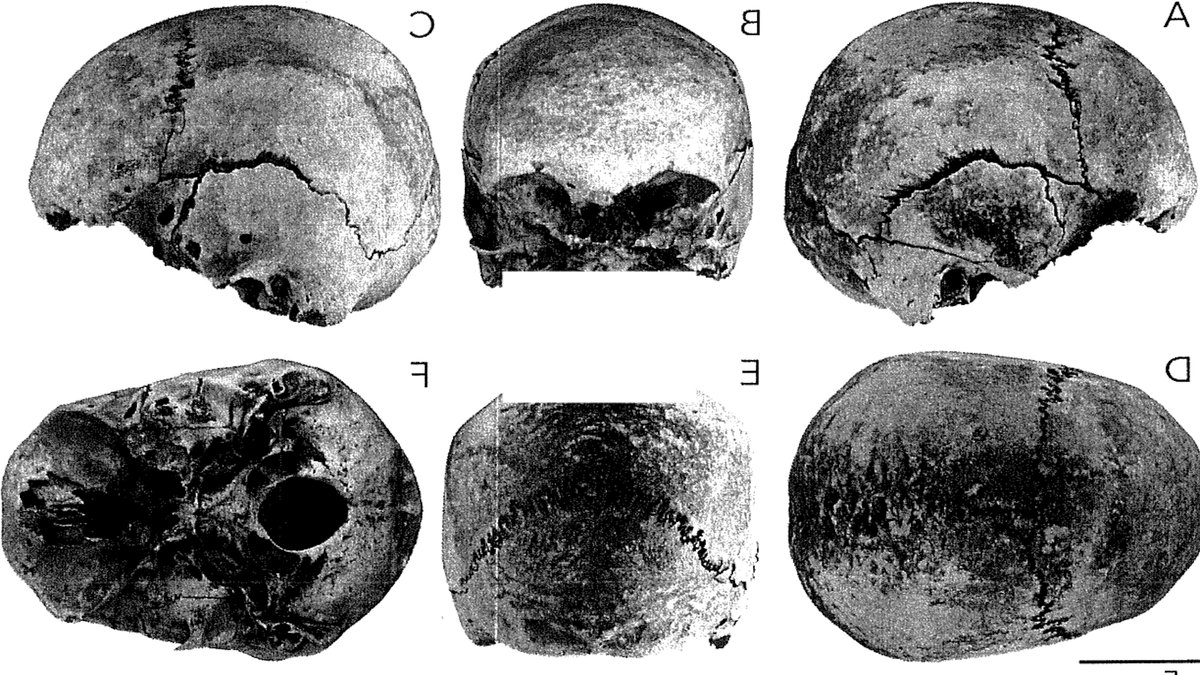
Kayakers paddling the Cuyahoga River on June 19 stumbled upon a human skull near a popular beach within the Cuyahoga Valley National Historic Park, sparking a multi‑agency investigation.
Discovery and Immediate Response
The group reported the find to park officials while still on the water. Rangers returned to the site later that day, conducting a thorough sweep of the surrounding shoreline but locating no additional bones or artifacts.
Gary Guenther, chief investigator for the Summit County Medical Examiner’s Office, confirmed that officials are attempting to develop a DNA profile from the fragment. “We are attempting to get a DNA profile at this time,” he said in a statement.
Anthropologists from Mercyhurst University examined the skull’s morphology. Their assessment indicates the remains belong to an adult and have been submerged for at least 2–5 years, possibly longer. The analysis could not determine sex, age, stature, or any distinguishing physical traits.
Related: Colorado’s Arkansas River Contaminated by Massive Sewage Leak
The discovery occurred close to the Ohio and Erie Canal Towpath Trail, a 90‑mile corridor used by hikers and cyclists. The river, once notorious for severe pollution, now draws more than two million outdoor enthusiasts from the surrounding region.
2, 5, 33,000‑acre, 2026, 2025, 2022, 2018, 2007
While the forensic team works on DNA extraction, officials have not ruled out any cause of death. Greta Johnson, a spokesperson for the medical examiner’s office, declined further comment, citing the ongoing nature of the probe.
In the broader picture, the river’s revival mirrors a national trend of improving water quality, yet isolated incidents like this remind the public that hidden hazards can still surface.
Investigation Status and Broader Context
Authorities have not linked the skull to any known missing‑person case, and no criminal investigation has been announced. The focus remains on establishing identity through genetic testing, a process that can take weeks or months depending on sample quality.
Related: Trainer says Monk Plank Boosts Outdoor Performance
Finding human remains in public lands is not unprecedented. In 2025, investigators uncovered more than 300 piles of cremated remains in the Mojave Desert. A 1983 discovery in Yosemite National Park revealed a severed hand and forearm, later identified through DNA as belonging to Patricia Hicks, a woman associated with a cult leader.
Since 2007, a series of dismembered feet have washed ashore along the Pacific Northwest’s Salish Sea, the latest in 2018 paired with a gray Nike running shoe. Lake Mead’s fluctuating water levels regularly expose skeletal fragments, most recently a jawbone found at Boulder Beach in August 2026.
Park officials plan to maintain heightened surveillance of the riverbank, especially during low‑water periods when debris and potential evidence become more visible. They also encourage anyone with information to contact local law enforcement.
For now, the skull remains the sole evidence at the scene, a solitary reminder that the river’s calm surface can hide stories still waiting to be told.
