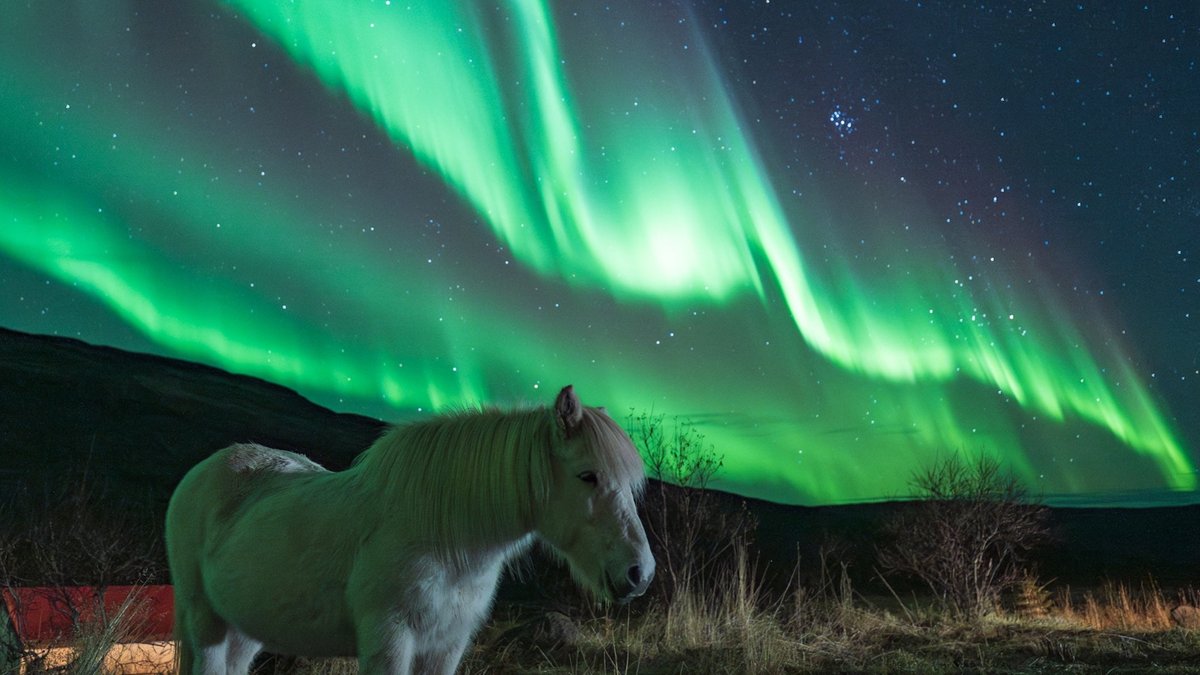
The solar maximum era that delivered intense auroral displays to the southern United States has ended. As the sun moves toward a quieter phase known as solar minimum, expected to peak around 2030, the intensity of these light shows will change. This shift marks the end of frequent, powerful geomagnetic storms that pushed the aurora borealis as far south as Texas and Florida. However, the phenomenon is not vanishing. It is simply relocating. For travelers and photographers, this transition offers a different kind of opportunity, one that requires a change in travel geography rather than a cancellation of plans.
Why the Lights Are Moving North
Headlines might suggest the aurora is disappearing, but that is not the case. High-latitude regions will continue to see regular displays. Vince Ledvina, a professional aurora chaser and doctoral student at the University of Alaska Fairbanks, notes that aurora is always present at high latitudes, even during solar minimum. The difference lies in frequency and intensity. Without the massive storms associated with solar maximum, the lights will not reach equatorial regions as often. Instead, the activity will concentrate closer to the poles.
Read Also: Moab Accommodations Range from Cheap to Luxury
Changes in solar wind drive this shift. In the years following solar maximum, the number of coronal holes on the sun’s surface increases. These darker, cooler regions allow solar wind to flow more quickly than usual. This heightened wind acts as a catalyst, transporting charged particles that collide with Earth’s atmosphere to create the northern lights. The result is more regular and reliable displays, though they will be visible primarily within the auroral oval, a donut-shaped zone above the geomagnetic poles. To see these lights, you will need to head north, away from the lower 48 states.
It is worth remembering that the solar cycle is a natural rhythm, not a sudden break in the weather. The move from maximum to minimum is a gradual decline in extreme events, but it does not mean a lack of activity. In fact, the increase in coronal holes suggests that while the storms may be smaller, the opportunities for clear, consistent viewing in high latitudes may actually improve. This makes the post-2026 period a strategic time for planning trips to established northern hubs, where the infrastructure and darkness are already optimized for viewing.
Read Also: 5 Trail Running Shoes We Love This September
Where to See the Aurora in 2026
If you live in Minnesota, Wisconsin, or along the U.S.-Canada border, you might still catch a glimpse. Ledvina says residents in these areas have a chance at naked-eye visibility roughly once a month, though the lights will likely appear low on the horizon. These faint displays are often better captured by a phone camera than seen directly. For a true experience, you need to travel to latitudes between 60 and 75 degrees.
- Fairbanks, Alaska: Situated near the southern edge of the auroral oval, this is a prime U.S. destination. While downtown views are possible during strong displays, guided tours or accommodations like Borealis Basecamp offer better clarity. The latter features clear-walled igloos that allow guests to watch the sky from bed.
- Ilulissat, Greenland: This town lies within both the auroral oval and the Arctic Circle. It is easily accessible via flights from Iceland or Denmark to Nuuk, then onward to Ilulissat. Staying in Hotel Arctic’s Aurora Cabins provides a heated, glass-walled view of icebergs and lights.
- Yellowknife, Canada: The inland climate here brings fewer clouds, and the location is within the auroral oval. Local guides can help visitors understand the cultural significance of the displays.
Timing Your Trip for the Best Views
Seasonality matters more when traveling north. Unlike the contiguous U.S., where summer nights can be dark enough for viewing, high latitudes experience the “midnight sun” during summer. This constant daylight prevents aurora hunting. The viable season runs from mid-August through April. Within this window, traveling around the spring and fall equinoxes may improve your odds. While Ledvina cautions that this is not fully understood and does not guarantee a show, it theoretically supports more activity during the sun’s waning phase.
Read Also: Kayakers Find Skull Rangers Probe Cuyahoga
Weather remains the biggest variable. Cloud cover is always a gamble, but some months are statistically clearer than others. For photographers, autumn offers a dual benefit: fall foliage during the day and potential aurora displays after dusk. However, no amount of planning can control the clouds. If you are traveling specifically for the lights, aim for a longer stay.
Short trips often result in faint sightings that are hard to see with the naked eye. Ledvina suggests that three nights may suffice if you just want to tick the experience off a list, but those sightings are often faint. This extended window increases the likelihood of catching a strong geomagnetic event, turning a brief glimpse into a memorable display.
