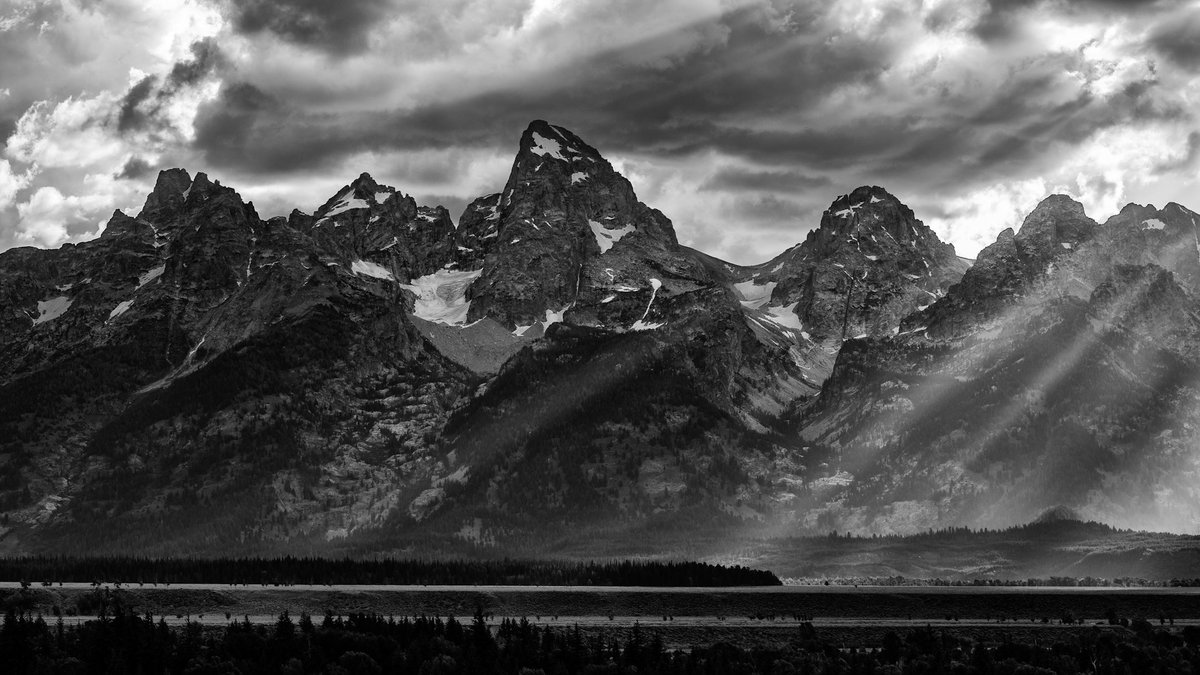
Authorities recovered the body of William Standish, a 28‑year‑old hiker who had been missing for almost a week while attempting a southbound thru‑hike of the Continental Divide Trail.
Search effort and recovery
The Teton County Search and Rescue (TCSAR) received a missing‑person report from Standish’s family on July 27, after the hiker’s last known check‑in on July 23 offered no coordinates. Officials traced the Garmin In‑Reach signal to the Wigwam Traverse, a steep, exposed ridge along the border of Grand Teton National Park and the Jedediah Smith Wilderness.
On the morning of July 29, a short‑haul helicopter team flew to the area identified by the signal. From the air they saw a bright orange backpack and located the hiker’s body below the ridge south of North Wigwam Peak. The remains were taken to TCSAR headquarters in Jackson before being transferred to the Teton County Coroner’s Office.
The coroner’s office confirmed the recovery but said the cause and manner of death remain pending. “Evidence suggests that he may have fallen from a steep, high‑altitude ridgeline that separates Grand Teton National Park and the Jedediah Smith Wilderness,” the rescue agency wrote in a statement.
Timeline of the disappearance
Standish posted an update on July 19 near Old Faithful in Yellowstone, outlining his planned route through the Tetons, Gros Ventre Wilderness, the Wind River Range, and Divide Basin. Four days later he sent a Garmin check‑in that lacked location data, accompanied by a short video shared via Facebook Messenger that his family believes showed the Tetons.
When further contact failed, the family alerted park officials on July 27. The next day, after coordinating with federal partners, TCSAR conducted the aerial search that led to the discovery.
Grand Teton National Park rangers assisted the rescue operation on July 28, providing additional resources and information to the county team.
The cause of death is still unknown.
Related: Public urged to vote for 2026 Defender Awards
The incident highlights the challenges of moving through high‑altitude terrain where weather, exposure, and technical difficulty converge.
For hikers, the Wigwam Traverse is known for its rugged, technical peaks and elevations above 10,800 feet, demanding both physical stamina and careful route planning. The area’s remoteness can delay assistance, emphasizing the importance of reliable communication devices and clear itinerary sharing.
Beyond the immediate recovery, the operation illustrated the layered responsibilities of different agencies. TCSAR, which has jurisdiction over search and rescue missions that occur outside the boundaries of the national parks, took primary command of the ground and aerial response, while federal partners—including the National Park Service—provided critical intelligence and logistical support. This collaboration ensured that the search area could be covered swiftly despite the complex terrain.
The Wigwams themselves comprise a series of jagged, alpine ridgelines that are often described as an “off‑trail alternate” to the official CDT corridor. Backpackers who choose this route typically handle unmarked rock scrambles, negotiate narrow saddles, and contend with sudden weather shifts that can turn a clear day into a white‑out within minutes. Because the ridge lacks maintained trails, hikers must rely on topographic maps, GPS waypoints, and personal navigation skills, making any loss of signal a serious escalation.
Standish’s use of a Garmin In‑Reach device reflects a broader trend among long‑distance hikers to carry satellite messengers for both safety and situational awareness. The device’s ability to transmit a pre‑written status message allowed his family to know he was still alive on July 23, even though the transmission omitted precise coordinates. This partial data point was enough for authorities to narrow the search to the Wigwam region, showing how even limited telemetry can be key in remote rescues.
In the aftermath, TCSAR issued a statement expressing condolences to Standish’s loved ones and acknowledging the contributions of the partnering federal agencies. The sentiment highlighted the tight‑knit nature of the backcountry community, where volunteers, park rangers, and professional rescuers often rely on one another during emergencies.
While the investigation continues, the recovery serves as a sobering reminder of the delicate balance between adventure and safety in some of America’s most iconic mountain settings. Proper preparation, including thorough route research, equipment checks, and contingency plans for communication loss, remains essential for anyone attempting a comparable segment of the Continental Divide Trail.
