In 2023, Mikaela Ruland and her husband sold one of their two cars before moving to Croatia. The couple didn’t intend to remain a one-car household when they returned to Colorado two years later. By 2026, they still hadn’t purchased a second vehicle and saw no urgency in doing so.
The shift that didn’t feel possible
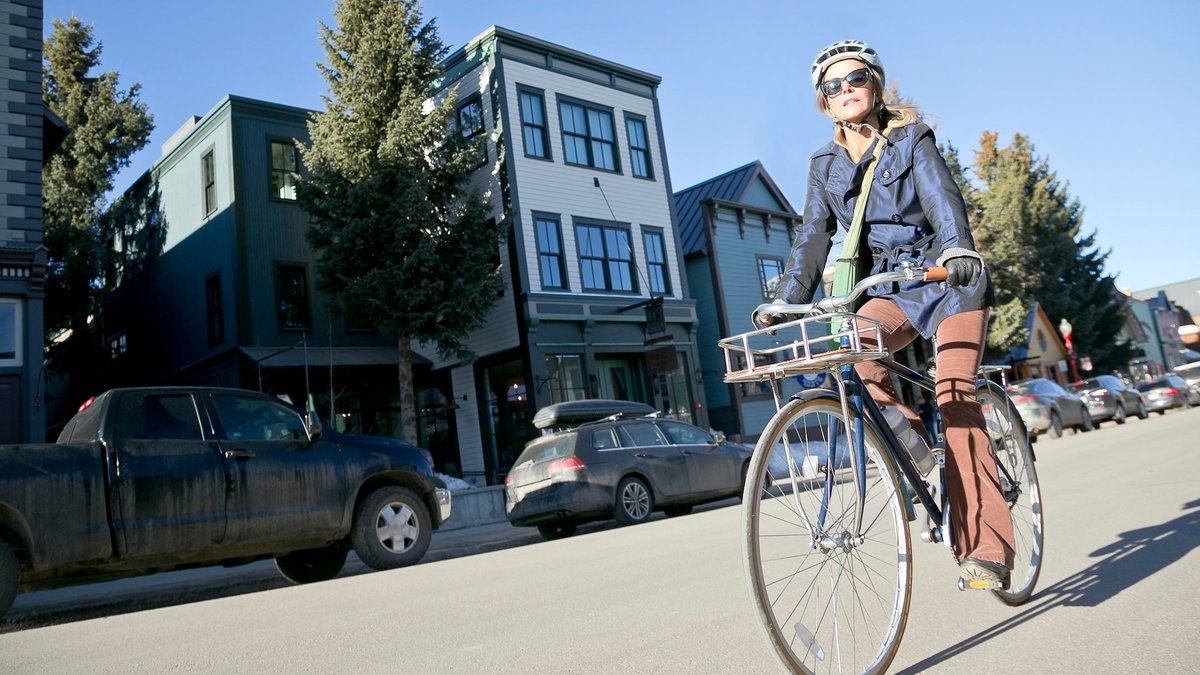
Ruland, who works remotely, now bikes to drop off ballots, tend her community garden plot, or buy coffee. Her husband rides 14 miles to his job several days a week, a habit that initially left him exhausted but now feels normal. Neither considers themselves especially active, and their parents each own four vehicles. Still, in a country designed around cars, they adapted.
The change began in Croatia, where crowded streets and limited parking forced them to leave their car behind. Ruland described walking down the middle of roads while drivers watched carefully for pedestrians and stray cats. When traveling, they parked at the edge of towns and used trains, trams, and ferries. By the time they moved back to the U.S., owning two cars no longer seemed essential.
The decision wasn’t just financial, though the savings helped.
The real difference, however, was in their daily routines. Ruland, who dislikes staying indoors, now spends more time outside—not just commuting but reading in parks or grilling on the patio. Without constant car access, she avoids big-box stores and stays closer to home. She joined a community garden on impulse and now volunteers there, chatting with neighbors and running a children’s program.
Related: Back to School Shopping Deals Start Now
What it takes to make it work
Their 2014 Subaru Crosstrek, with 230,000 miles, still handles road trips to Wyoming or desert vacations. Most days, though, it remains parked.
For families interested in a similar change, Ruland offers straightforward advice. Choose a home near trails or transit, even if walkable neighborhoods are scarce in the U.S. She and her husband moved within 15 minutes of their closest friends, building a support system for rides or emergencies. They also focused on local options—replacing distant coffee shops with one three miles down the bike path and selecting a dentist and hair stylist within reach without a car.
Challenges remain. Rainy days require calling an Uber, and some errands need planning. Yet Ruland no longer assumes a second car is unavoidable. “Eventually, our Subaru will retire from mountain passes,” she wrote. “But we won’t return to depending on multiple vehicles.”
Their adjustment began as a necessity overseas. In the U.S., it became a lasting choice.
