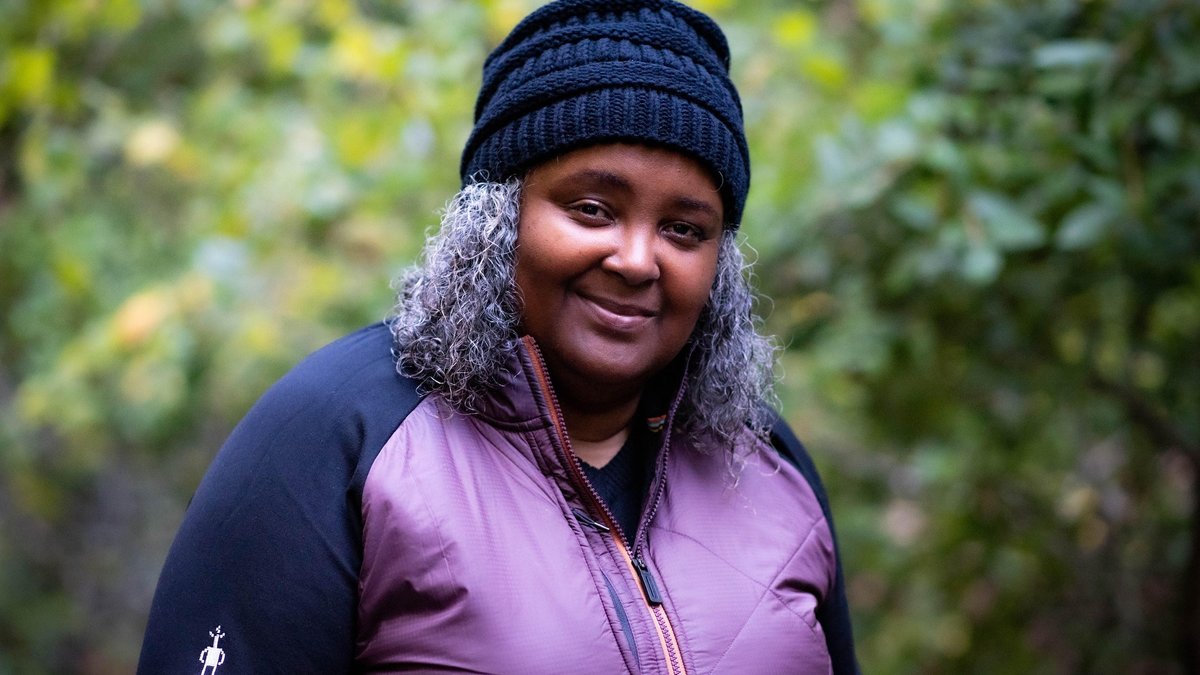
The outdoor industry has long championed public lands and conservation, yet a glaring omission persists in its marketing and representation. Despite a visible push for diversity, the sector frequently ignores women over 50, erasing a demographic that remains active, accomplished, and influential in the wilderness.
The Absence of Experience
Brand social media feeds and retail displays often feature a mix of body types and abilities. However, the perspective of women over 50 remains largely invisible. When these individuals do appear, they rarely represent the depth of experience found on the trails.
Industry leaders have rallied around climate action and sustainability, building a culture of advocacy. But the decision to exclude older women from these narratives suggests a systematic oversight. It implies that the value of a woman’s outdoor achievements expires once she reaches a certain age, despite her continued physical capability.
Ageism in the Mountains
Compare this treatment to the treatment of male counterparts. Legendary climbers like Reinhold Messner, now in his eighties, continue to shape industry conversations. Conrad Anker, in his sixties, remains a celebrated figure in media and climbing circles. The industry prizes longevity and wisdom in men, treating them as enduring authorities.
Conversely, female athletes who have made significant contributions to their fields are often sidelined once they cross 50. Names like Lynn Hill, who changed the face of rock climbing, or Steph Davis, a pioneer in BASE jumping, are rarely given the same sustained platform as their male peers. This disparity reinforces a narrative that women’s worth is tied to youth, while men are celebrated for their enduring presence.
While visibility for younger generations is essential, the industry has effectively created a situation where one group’s recognition comes at the expense of another. The absence of older women sends a clear, damaging message that their stories do not matter as much.
Related: Record Snow Blankets South America’s Top Ski Resorts
Shifting the Narrative
To correct this, the industry must move beyond token gestures. The focus should shift to hiring women over 50 as central brand ambassadors rather than one-off appearances. Campaigns should feature them in advertising and on magazine covers with the same prominence as younger athletes. Additionally, diversifying the teams responsible for greenlighting these campaigns is necessary to eliminate blind spots.
Examining the default settings of marketing strategies reveals deep-seated assumptions about what bodies and ages are “aspirational.” This representation gap does more than hurt the women excluded; it limits what all women believe is possible as they age. If the industry wants to claim it values the wild and the enduring, it must apply those standards to the women who have spent decades mastering them.
Women over 50 continue to define athleticism on their own terms, often rejecting the competitive pace of their youth in favor of deliberate exploration. Their stories are not just relevant; they demonstrate the endurance that defines the outdoor experience itself.
They remain active.
Their influence extends to the back to school season, where outdoor gear is often a key part of shopping deals.
