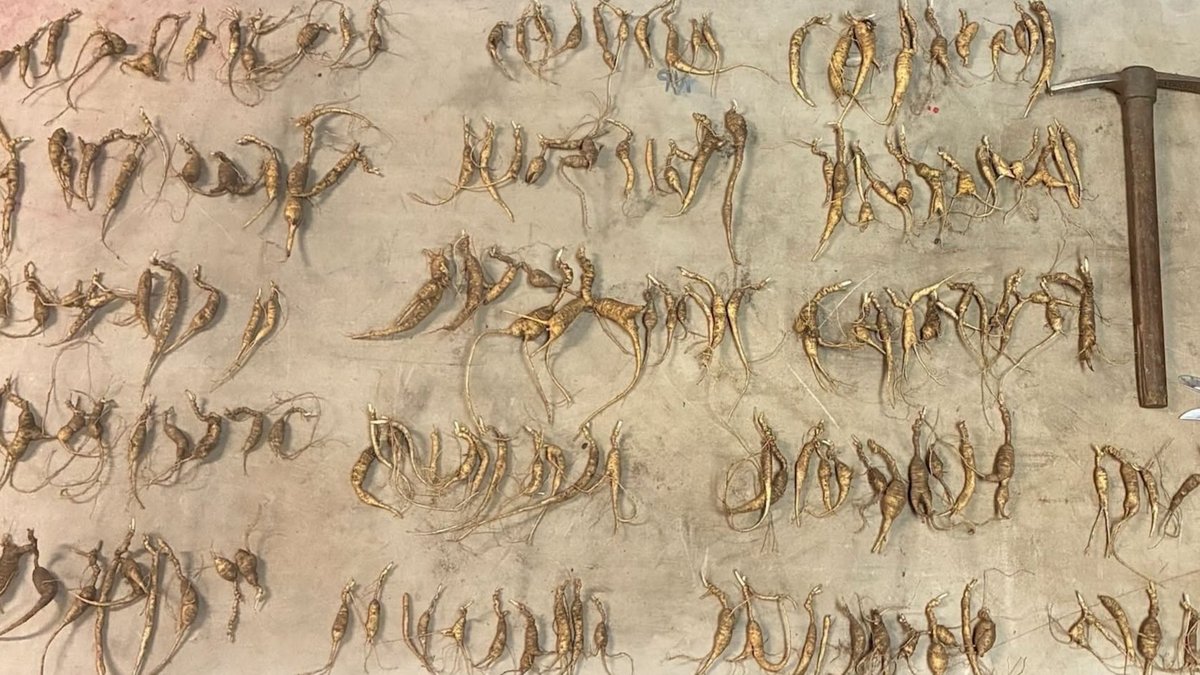
National Park Service rangers confiscated 700 illegally harvested ginseng roots within Great Smoky Mountains National Park after determining two people had removed them unlawfully.
Under NPS rules, taking any vegetation, wildlife, or even rocks from protected areas is prohibited, with offenders facing fines up to $5,000 or jail terms of six months.
“[Poaching] is a significant problem that this region has been facing for decades but has only gotten worse,” Will Harlan, Southeast director for the Center for Biological Diversity, told Outside. “Public lands are now our best strongholds for what’s left of ginseng, but even those are under siege.”
Ecological Impact of Ginseng Poaching
GSMNP officials did not specify whether the two suspects accused of uprooting the plant will be charged or face penalties. The NPS plans to replant some recovered roots, but officials note that only about one-third may survive.
Illegal plant harvesting disrupts ecosystems, as wildlife depends on these species for food, and removing them reduces genetic diversity in plant populations, according to the NPS.
Wild ginseng has long been valued for its medicinal properties, used in teas and to treat ailments like indigestion, as noted by the Cleveland Clinic. The U.S. Department of Agriculture reports high demand for American ginseng, with growing use in countries like China.
Wild ginseng, often called “green gold,” can fetch over $500 per pound when dried, according to the West Virginia Division of Forestry.
Challenges in Combating Illegal Harvesting
While cultivated ginseng exists, Harlan notes that wild varieties are more valuable, fueling an underground market.
“For many folks in Appalachia struggling to make ends meet, there’s free money out in the forest if they can find some ginseng,” Harlan told Outside. “If you know where to look, it’s still out there, but it’s barely hanging on.”
Historically, some national forests issued harvesting permits for ginseng, but the U.S. Forest Service reports that some have pulled back these permits in recent years due to unsustainable practices. Ginseng requires up to ten years to mature, and its fragility necessitates strict regulations to protect wild populations.
Despite rangers’ training in detecting illegal harvesting, significant staffing reductions at national parks over the past two years have limited enforcement capabilities, making it harder to address poaching.
Visitors are encouraged to report any suspicious activity involving plant removal to park staff.
