Humanity has long faced natural disasters, but as their frequency and severity rise, effective responses have become increasingly vital. National Preparedness Month shows that strong preparation forms the foundation of any successful disaster response.
Proper readiness has proven life-saving. Climate-related deaths have fallen more than 99 percent since 1920 thanks to advancements like early-warning systems, data shows. The United Nations reports that every dollar invested in preparedness can yield up to $15 in post-disaster savings.
Putting Preparedness into Practice
For over a decade, Amazon has leveraged its global logistics network to bolster disaster relief efforts domestically and internationally, collaborating with established organizations like the American Red Cross, Save the Children, and World Central Kitchen. The company maintains 12 disaster response centers across seven nations and has distributed more than 30 million emergency supplies following over 200 significant disasters.
These facilities store critical resources before crises emerge, enabling rapid deployment within hours rather than days when disasters occur. Amazon has also created portable technology solutions that allow individuals to quickly restore essential services, including power and communications, using compact, reusable equipment roughly the size of a suitcase.
Jeffrey Schweitzer, Amazon’s lead for disaster relief innovation, explains, “We’re applying the same infrastructure that powers fast, reliable deliveries to customers worldwide to support communities before disasters even happen. Swift access to necessary resources after a crisis significantly eases and shortens recovery efforts.”
Read Also: Study Links Heavy Backpacks to Foot Injuries
After devastating twin earthquakes struck Venezuela in June, Amazon delivered 698,000 emergency items to over a dozen local aid organizations. During the 2025 California wildfires, 8,000 Amazon employees assembled hygiene kits and assisted with cleanup operations.
Addressing Technological Shortfalls
Amazon is actively working to eliminate technology barriers that have left communities without critical resources following earthquakes, hurricanes, wildfires, and other catastrophic events. By 2027, the company will provide 2,000 portable response systems at no cost to nonprofit organizations.
Schweitzer notes, “Our mobile technology solutions are designed for easy transport, even when roads are blocked. Time after time, survivors tell us the first priority after a disaster is communicating with loved ones or simply making a hot drink. That requires electricity and connectivity. Our systems can restore these essential services to affected communities within minutes.”
Abe Diaz, who oversees Amazon’s disaster relief programs, states that preparedness fundamentally means having resources strategically positioned. This includes everything from stockpiled supplies like diapers to ready-to-deploy satellite communications, but more importantly, having trained personnel available to provide support. While Amazon cannot prevent disasters from occurring, it can collaborate with local partners to prepare for them effectively.
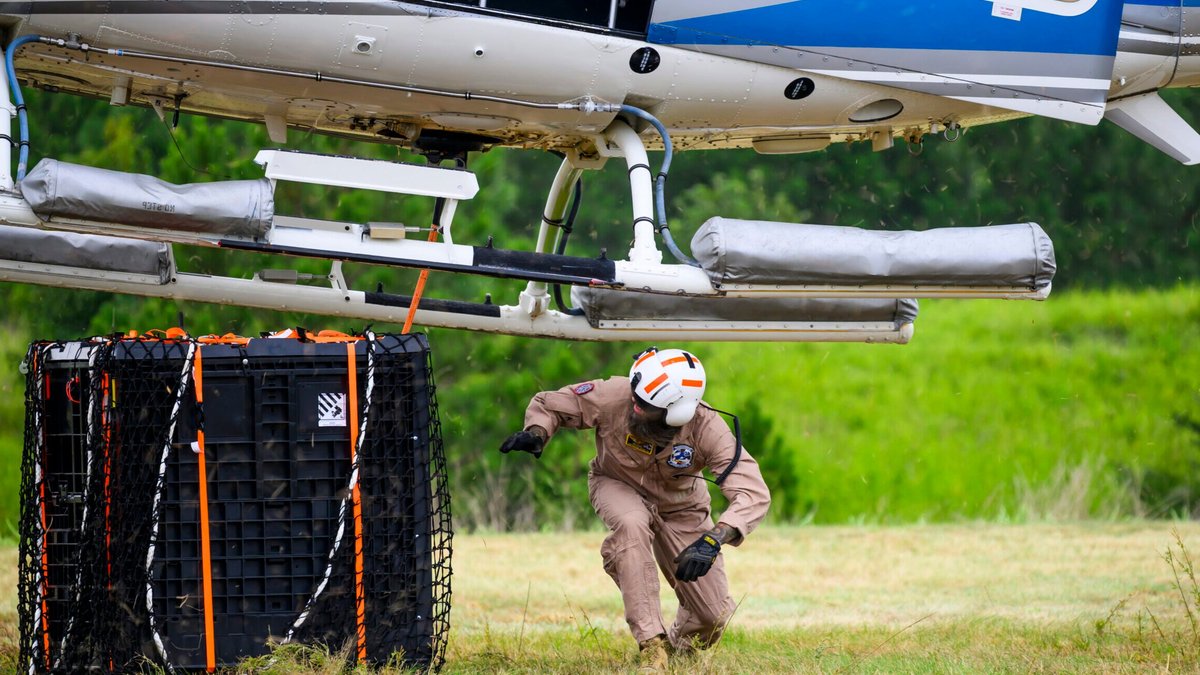
Leading up to National Preparedness Month, Amazon partnered with government agencies and other organizations in Indian Head, Maryland, to conduct a joint training exercise. The event focused on practicing real-time coordination and implementing new rapid response technologies. Additionally, the training included distributing over 5,000 food packages to local food banks.
Read Also: Underrated US Towns for a Natural Wellness Retreat
Indian Head Mayor Brandon Paulin admits that disaster preparedness often doesn’t rank high on communities’ priority lists. However, he welcomed the opportunity to prepare for hurricane season in advance with Amazon’s assistance.
Paulin says, “When a natural disaster comes, there’s not a whole lot of preparedness—folks are stressed and worried about their own things. It’s important to have planning already in place to make sure we’re able to help people as quickly as possible. Knock on wood there’s never an event, but when there is we’ll be ready to support families in what is their dire time of need.”
A technical program manager for Amazon’s disaster relief team ensures the company’s preparedness efforts deliver maximum impact. The team evaluates and optimizes Amazon’s procedures across different regions to determine the most effective approaches for various disaster scenarios.
The Maryland hurricane training exercise highlighted the value of both practice and collaboration among diverse organizations working toward shared objectives in advance of crises.
Jesse Levin serves as the executive director of the nonprofit networking organization, Defense Entrepreneurs Forum, and the founder of Tactivate, a hybrid response recovery organization. He emphasizes that preparatory exercises like these are important. Community readiness is a team sport. Too much of today’s preparedness culture focuses on individuals stockpiling supplies in their basements, an isolated, fear-driven approach. Anyone who has lived through a major disaster, and any professional responder, will tell you that community is the ultimate currency when the status quo breaks down. We must shift from being reactive and dependent to being proactive, ready, and collaborative, with everyone sharing responsibility for readiness and resilience.
