Social media users are sharing a story that a 34‑year‑old man in a homemade bison costume was arrested after chasing tourists in Yellowstone National Park, shouting “Now you know how it feels!” The claim has spread widely, but park officials say it is untrue.
Fact‑check reveals the tale is fabricated
The post first appeared on July 21 on a Facebook page called Casper Planet, which labels its content as satire. The accompanying image shows a person wearing a bison‑head costume, but the caption was presented without the page’s disclaimer. Subsequent accounts that focus on national‑park content, such as Tourons of Yellowstone, reshared the story as if it were genuine.
When asked about the incident, the National Park Service (NPS) responded via email that there is no record of any arrest or report matching the description. “We encourage the public and media to verify any information they see online by checking official NPS sources,” a spokesperson said, adding that the agency’s website and verified social‑media channels provide the most reliable updates.
Park officials confirmed that no such arrest took place, and there are no pending investigations related to a costumed individual disturbing visitors. The NPS also noted that the story does not appear in any of its internal incident logs or public safety bulletins.
Yellowstone, the nation’s first national park, regularly makes headlines for visitor misbehavior, from wildlife encounters to illegal thermal‑area entries. Recent incidents include a Texas man jailed for damaging Mammoth Hot Springs, a celebrity fined for walking into a thermal zone, and several tourists receiving short jail terms for trespassing in restricted geyser areas. Such real‑world examples create a backdrop where an outlandish prank feels believable.
Related: Rob Lea Completes Double Seven, 100 Jellyfish Stings
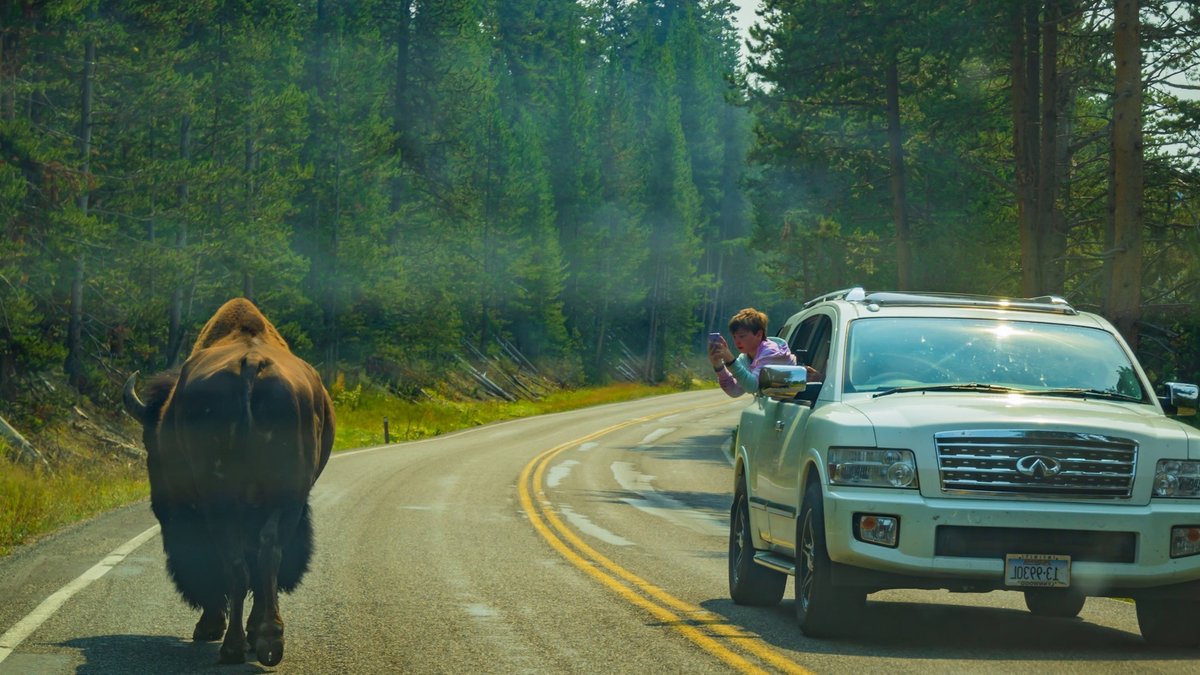
In addition, the park’s iconic bison are known to roam roads and sometimes graze near vehicles, leading to genuine safety concerns. This familiarity with bison‑related hazards may have primed audiences to accept the costume story without scrutiny.
Beyond the factual backdrop, the internet’s current environment—filled with AI‑generated images, deepfakes, and satirical accounts—makes it harder for readers to separate fact from fiction. A YouTube channel dedicated to AI‑crafted climbing accidents exemplifies how quickly fabricated content can gain traction.
Comparing this episode to past misinformation trends shows a pattern: sensational claims about park behavior often gain momentum before authorities intervene. In previous years, false reports about wildlife attacks or illegal activities have circulated, only to be debunked after official clarification. The bison costume narrative follows that familiar route, leveraging the park’s reputation for unusual visitor incidents.
The NPS advises people to consult its website for accurate information, which serves as the primary source for park news, safety alerts, and policy updates. This role is key in a setting where misinformation can spread quickly.
For readers, the lesson is straightforward. When a claim sounds sensational, especially one involving a costumed individual in a protected natural setting, a quick check on official channels can confirm its validity. The NPS’s response to the bison‑costume claim reinforces the importance of verifying sources before sharing, much like verifying safety accidents in other outdoor contexts.
