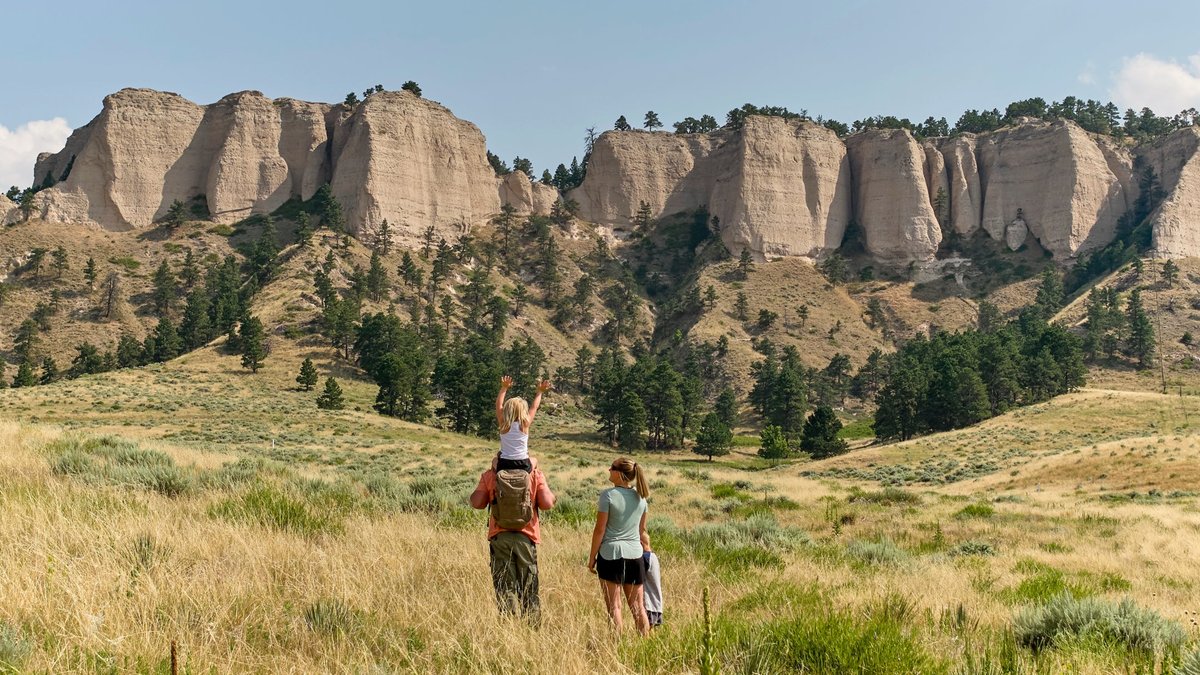
Fort Robinson State Park in western Nebraska offers a blend of sweeping prairie scenery, rugged trails and remnants of a 19th‑century military post, making it a compelling destination for hikers, horse riders and history enthusiasts alike.
Trail options let visitors shape their own pace
The park maintains more than 60 miles of marked paths that range from short, easy loops to more demanding climbs. One popular route, Turtle Rock Trail, winds through rolling grasslands before reaching a modest summit that frames a wide view of the plains to the south. Hikers who continue toward Lover’s Leap encounter a sandstone butte that rises sharply, providing a 360‑degree panorama of the surrounding horizon.
For those who prefer to stay in a vehicle, guided Jeep tours circulate the park’s outer reaches, allowing passengers to appreciate the scenery without the exertion of a long hike. The tours follow established roads that skirt the higher elevations, offering frequent photo stops and occasional commentary on the area’s natural features.
Equestrian facilities add a distinct western flavor
Riding a horse through Fort Robinson feels like stepping into a classic western film. The park runs guided trail rides that start in the low‑lying valley and ascend toward the buttes, delivering a sense of open‑air freedom that few other activities can match. Visitors may also bring their own horses to the Mare Barn Equestrian Campground, where a simple overnight setup awaits.
Related: Mysterious silver cub sparks hybrid bear debate
Two additional campgrounds line the White River, each offering a mix of full‑hookup sites and more basic accommodations. These areas cater to both RV travelers and tent campers, providing easy access to the trailheads and riverfront.
Beyond recreation, the park preserves structures that echo its military past. The former barracks and officers’ quarters stand as silent witnesses to the Sioux Wars of the late 1800s, when the fort served as a key staging point for U.S. Army campaigns.
Fort Robinson’s layered history is a reminder that the Great Plains have long been a crossroads of cultures, conflict and cooperation. The preservation of these sites helps visitors understand the broader narrative of western expansion and its lasting impact on indigenous communities.
From a broader perspective, the park illustrates how state‑managed lands can deliver both leisure and education without the crowds typical of national parks. Its modest size and regional focus allow for a more intimate experience, which may encourage repeat visits and deeper appreciation for local heritage.
Related: Group workouts boost energy in surprising ways
Tourism officials highlight the park’s role in the state’s economic strategy. By attracting travelers to lesser‑known attractions, the initiative aims to spread tourism dollars across more communities, supporting small‑town businesses and generating revenue that can be reinvested in preservation efforts.
Sunsets color the prairie.
Visitors leaving the park often note the quiet that settles over the prairie at dusk, when the sky turns pink and the silhouettes of distant buttes become more pronounced. The combination of natural beauty, outdoor activities and historic structures makes Fort Robinson State Park a noteworthy stop for anyone exploring Nebraska’s open spaces.
