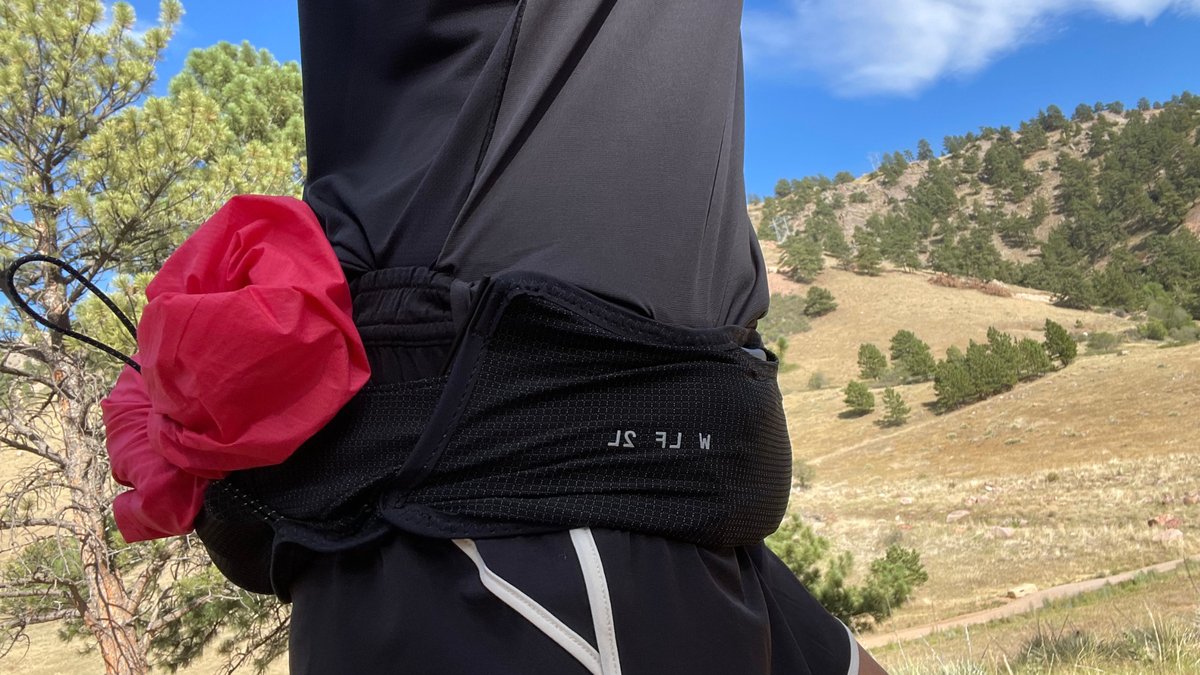
Trail running often requires carrying fluids, fuel, and other essentials, leading to a debate between waistbelts and hydration vests. As a long-time user of hydration vests, the author was skeptical about the new generation of waistpacks built for trail running.
These new waistbelts have wide paneling and multiple pockets that can be worn in any position around the waist, holding soft flasks that morph with the waistpack against the body.
Comparing Hydration Vests and Waistpacks
The author tested two new waistpacks, the Osprey Duro Dyna Pro Belt and the Raide LF 2L, on trail runs where they would usually wear a hydration vest. They even wore a waistpack and a hydration vest simultaneously to compare and contrast.
The comparison focused on key categories such as fluid accessibility, gear accessibility, and bounce. The author found that while hydration vests allow for easy access to fluids without breaking stride, waistpacks require an extra step to hydrate.
Fluid accessibility is a key consideration for trail runners, who need to stay hydrated during long runs. The author notes that hydration vests have an advantage in this area, but waistpacks are still a viable option.
Fluid Accessibility and Gear Storage
The Patagonia Slope Runner Vest carries two 500mL soft flasks, fuel, and other items, while the Osprey Duro Dyna Pro Belt can carry a 500mL soft flask, phone, fuel, and other essentials. The author was surprised to find that the waistpack carried all the necessary items comfortably.
Related: History Meets Landscape at Great Plains Park
Accessing gear from the waistpack and hydration vest is almost equal, although it’s easier to grab items from the front shoulder straps of a hydration vest. Both the Patagonia Slope Runner Vest and the Osprey Duro Dyna Pro Belt have pass-through pockets for easy layering and cording for carrying trail running poles.
Bounce and Comfort
The author tested the bounce of the waistpacks on various trails and found that they sat securely and comfortably around their midsection.
Ultimately, the choice between a waistbelt and a hydration vest depends on personal preference and specific needs. While hydration vests offer easy access to fluids and gear, waistpacks provide comfort and freedom of movement.
Runners who value comfort and flexibility may prefer waistpacks, while those who prioritize easy access to fluids and gear may prefer hydration vests.
Trail running is a sport that requires careful consideration of gear and equipment, and the choice between a waistbelt and a hydration vest is an important one.
