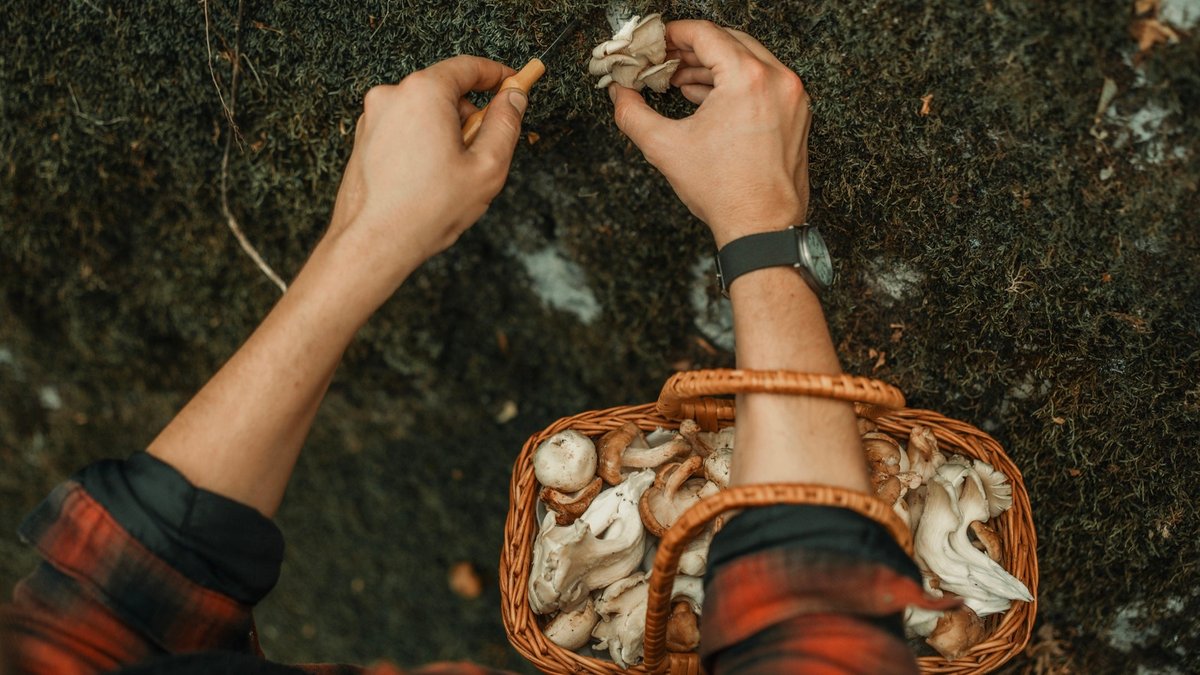
Eleven people are hospitalized after a mushroom foraging trip outside Yellowstone National Park in Montana.
Illness reported at a private residence
Emergency crews responded to a private home in Park County, Montana, on the evening of July 27. People living at the residence were suffering from symptoms of poisoning after consuming wild mushrooms they had collected themselves.
Jon Ebelt, a spokesperson for the Montana Department of Public Health and Human Services, confirmed that ten adults and one minor are currently in the hospital. As of the report, all victims remain hospitalized, with seven listed in serious condition.
The health department has stated that authorities believe this is an isolated incident with no indication of an ongoing threat to the general public. There is no link to restaurants or grocery establishments, officials said.
The specific type of mushroom consumed has not been disclosed, though officials are actively investigating the case.
Related: Man in Bison Suit Arrested in Yellowstone
The risks of identification
Montana is home to hundreds of mushroom species, most of which are not considered edible. Cathy Cripps, a mycologist with Western Montana Mycology, explained that while only a few species are potentially deadly, many can cause sickness or an unpleasant taste.
Foragers often confuse edible species with dangerous look-alikes. A commonly confused species in the region is the false morel, which contains the toxin gyromitrin. This toxin can cause severe illness or death if consumed.
Cripps noted that even true morels can be dangerous if not prepared correctly. They must be cooked until crispy, as the fungus is poisonous in its raw state.
The toxins in poisonous mushrooms can cause a wide range of symptoms. In less severe cases, victims experience vomiting or diarrhea similar to food poisoning. More extreme toxins can lead to neurological issues like dizziness, tingling, and hyperactivity.
The most deadly varieties often trick patients into thinking they are recovering. Symptoms may disappear for a few hours before returning, at which point the toxins are moving through the bloodstream and destroying liver and kidney cells.
Experts emphasize that there are no shortcuts to safe foraging. Identifying edible species requires reputable books or websites, or, preferably, an experienced person.
Related: Tribal Seals Removed from Monument Signs
What to do if poisoning is suspected
If someone has ingested a poisonous mushroom, the Northwest Mushroom Association advises calling 911 immediately or the Poison Control Center at 1-800-222-1222.
Rescuers should collect all remaining mushrooms and discarded trimmings in a bag. Notes should be made regarding where the mushrooms were found, when they were eaten, how much was consumed, and how they were prepared.
These samples and notes must be given to emergency responders or the attending physician. If no remnants are available, a friend should return to the harvest site to gather samples.
Cripps also recommends avoiding plastic bags during transport. Mushrooms sweat in plastic, which can promote bacterial growth. A basket or paper bag is preferred to keep the fungi cool and fresh.
Proper handling extends to cooking, which is now recommended for all mushrooms. Sautéing them until golden brown is a standard method that ensures safety and flavor.
